
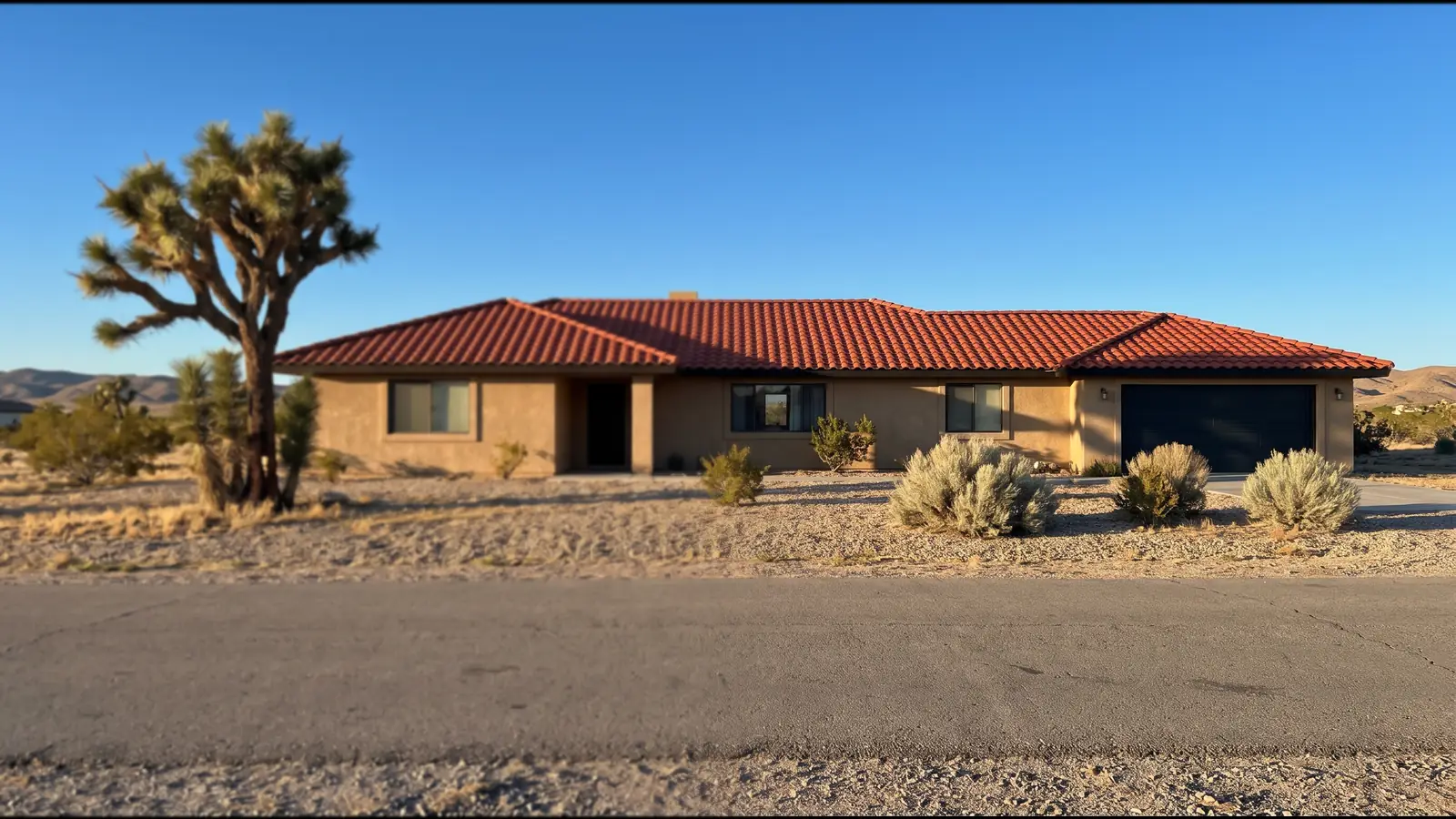
Tile Roof Ridge and Hip Repair Types in Hesperia
Ridge and hip caps are the trim tiles along the peaks and the sloping outside corners. The repair depends on how the caps were set in the first place.
Mortar-Set Ridge and Hip
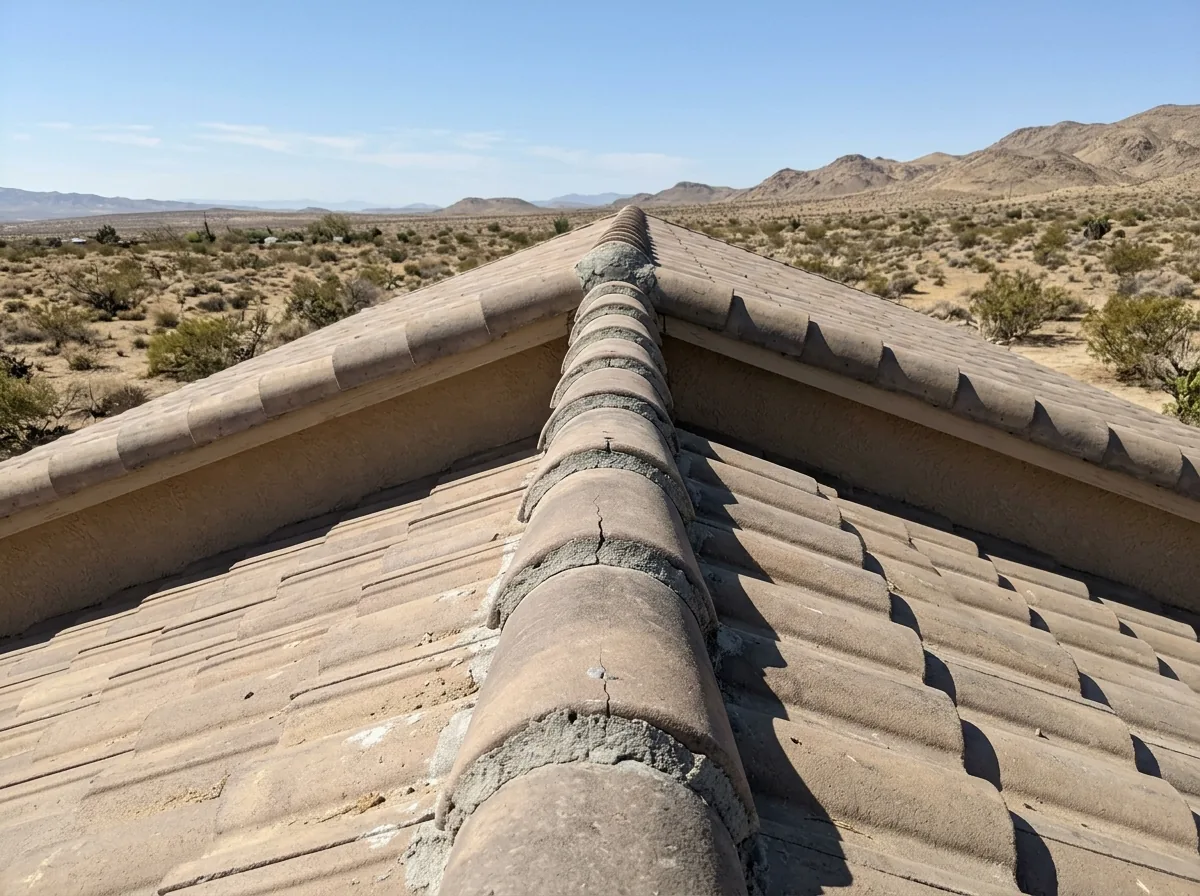
On a mortar-set ridge, each cap sits in a bed of mortar. The industry installation manual treats bedding as structural: it is what holds the cap down. When that mortar cracks and lets go, a cap can rock in wind and walk off the ridge. The manual recommends pre-bagged mortar mixes rather than mixing on site. It's reasonable to ask the roofer which product they use and whether they'll bed the whole run or only the loose caps.
Dry-Set Ridge With Ridge-Vent Underlayment
Dry-set systems skip the mortar line. The caps are fastened to a nailer board, with weather blocking under them to stop wind-driven moisture, and the ridge board can sit on standoff brackets so a ventilated attic can exhaust at the peak (per the JLC field guide). Where a mortared ridge is converted to dry-set, ask what happens to the attic ventilation and whether the change needs the city's sign-off.
Ridge Nailer Board Replacement
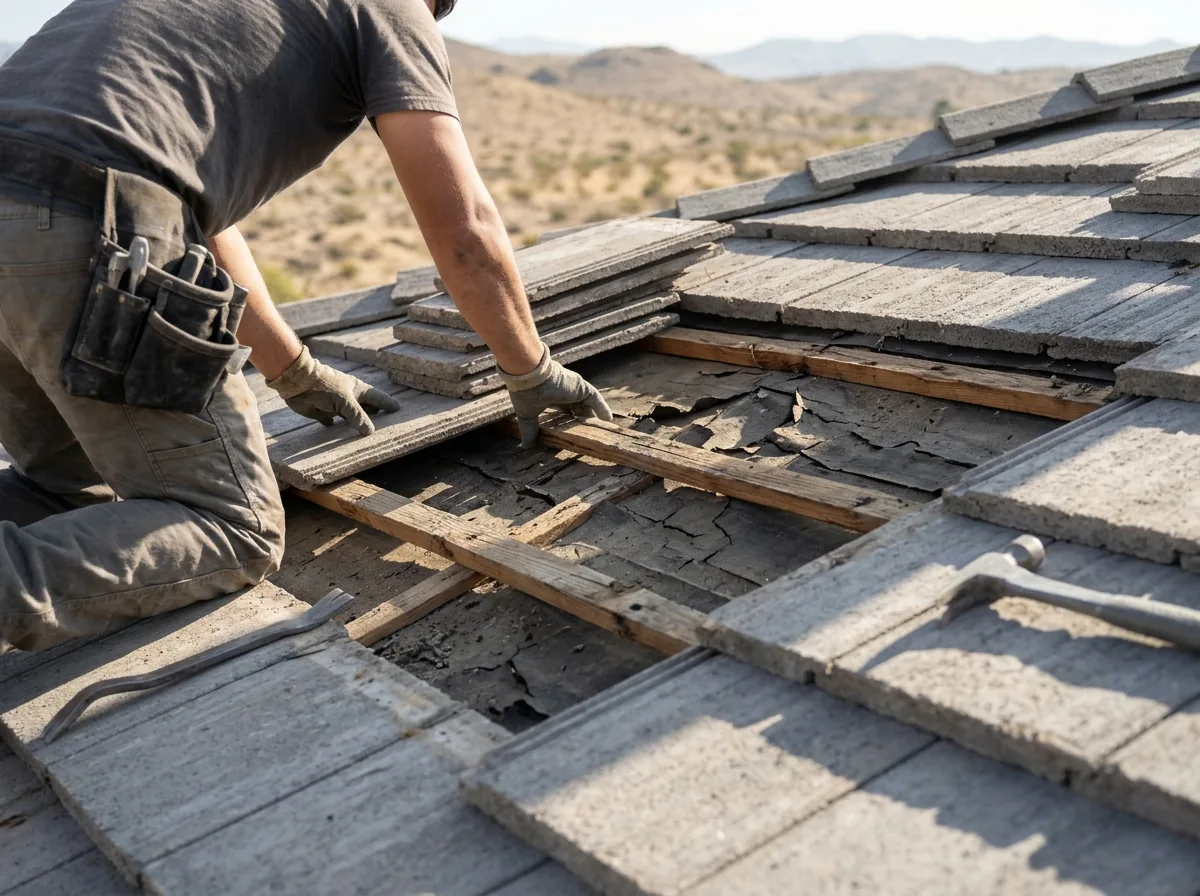
The nailer board, or stringer, is the strip of wood along the ridge or hip that the caps fasten to. If it has rotted or split, new nails have nothing to hold, so resetting the caps without replacing it doesn't last. Replacing the nailer means lifting the caps along that run, so ask for the price by the run rather than by the cap.
Hip Starters and End Caps
The hip starter is the closed piece at the corner where two eaves meet. It starts the hip line, and some ridge tiles need a matching starter or finisher at the gable end. They're profile-specific, so a missing one on an older roof can raise the same matching problem as a discontinued tile.
Re-Pointing Cracked Mortar
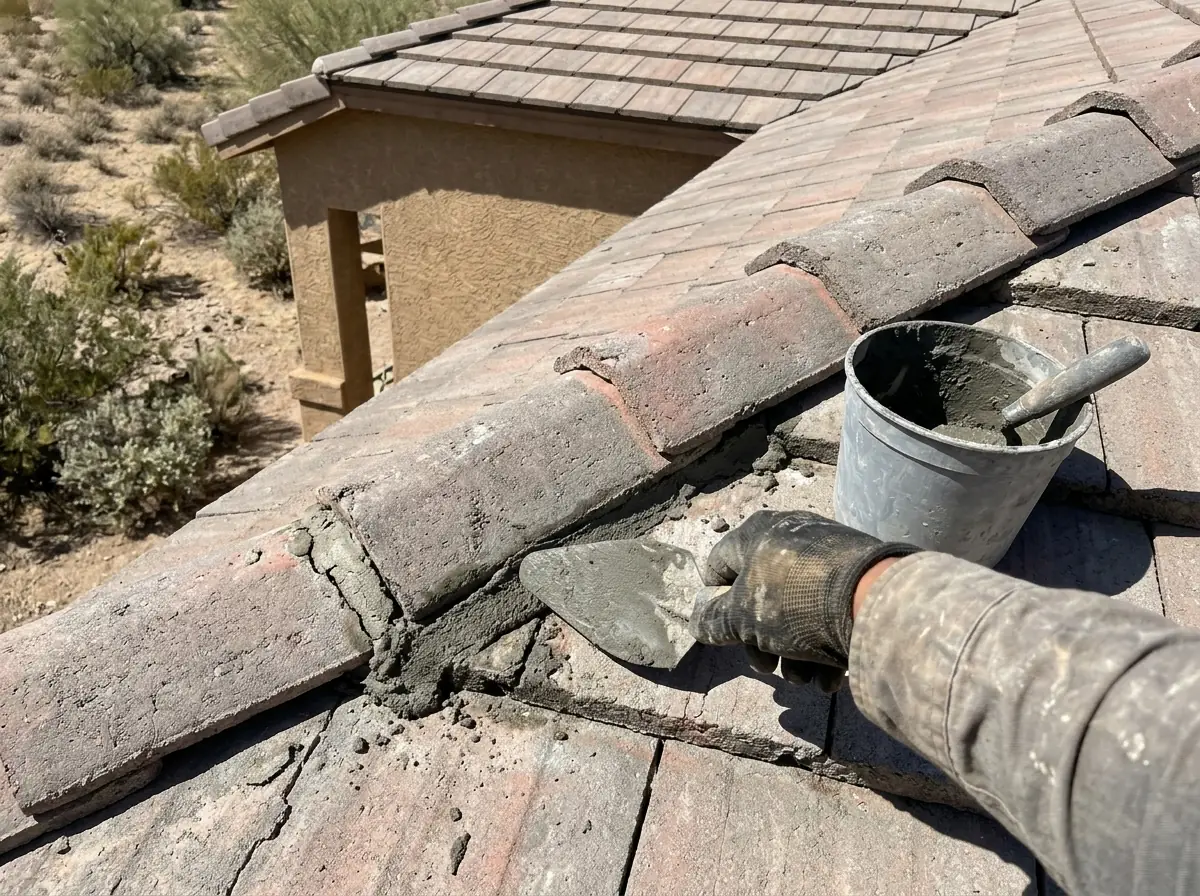
Point-up is mortar packed into voids at the ends and edges of tile. The manual calls it non-structural. Re-pointing tidies the look and closes gaps where birds can get in, but it does not re-secure a cap whose bedding has failed. If you're quoted a re-point, ask whether the caps underneath are still solid.
Why Hesperia homeowners call Hesperia Tile Roofing
- Asking for a quote is free and you're under no obligation
- Each request goes to a single tile roofer, not sold to a list
- Ask that tear-off, felt, deck allowance and permit sit on one written price
- You never pay for the referral
Ridge and Hip Repair in High Wind and Fire Zones
Both rules land on the ridges, so they're worth knowing before you approve a repair method.
Perimeter fastening
The 2025 California Residential Code treats the area within 36 inches of either side of a hip or ridge as perimeter, where every tile needs at least one fastener.High-wind areas
Where a building official designates wind above the manual's threshold, it calls for the noses of ridge, hip and rake tiles to be set in roofers' mastic. The JLC guide says mortar-set tile is generally not allowed in high-wind zones and suggests foam adhesive along hips and ridges. Ask the roofer whether any of this applies to your address.Fire hazard zones
The wildland code wants hip and ridge caps mudded in so embers can't get under them. Details and how to check your parcel are on the fire-resistant tile roofing page.
What to Ask on a Ridge or Hip Quote
- How many linear feet of ridge and hip are being reset, and is that a whole run or spot repairs?
- Is the nailer board being replaced, and at what price per foot if more rot turns up?
- Mortar, foam or dry-set, and why that system for this roof?
- Where will replacement caps come from if some break during the reset?
A quote that names the length and the system lets you compare two roofers on the same job.