
Discontinued Roof Tile Matching Methods in Hesperia
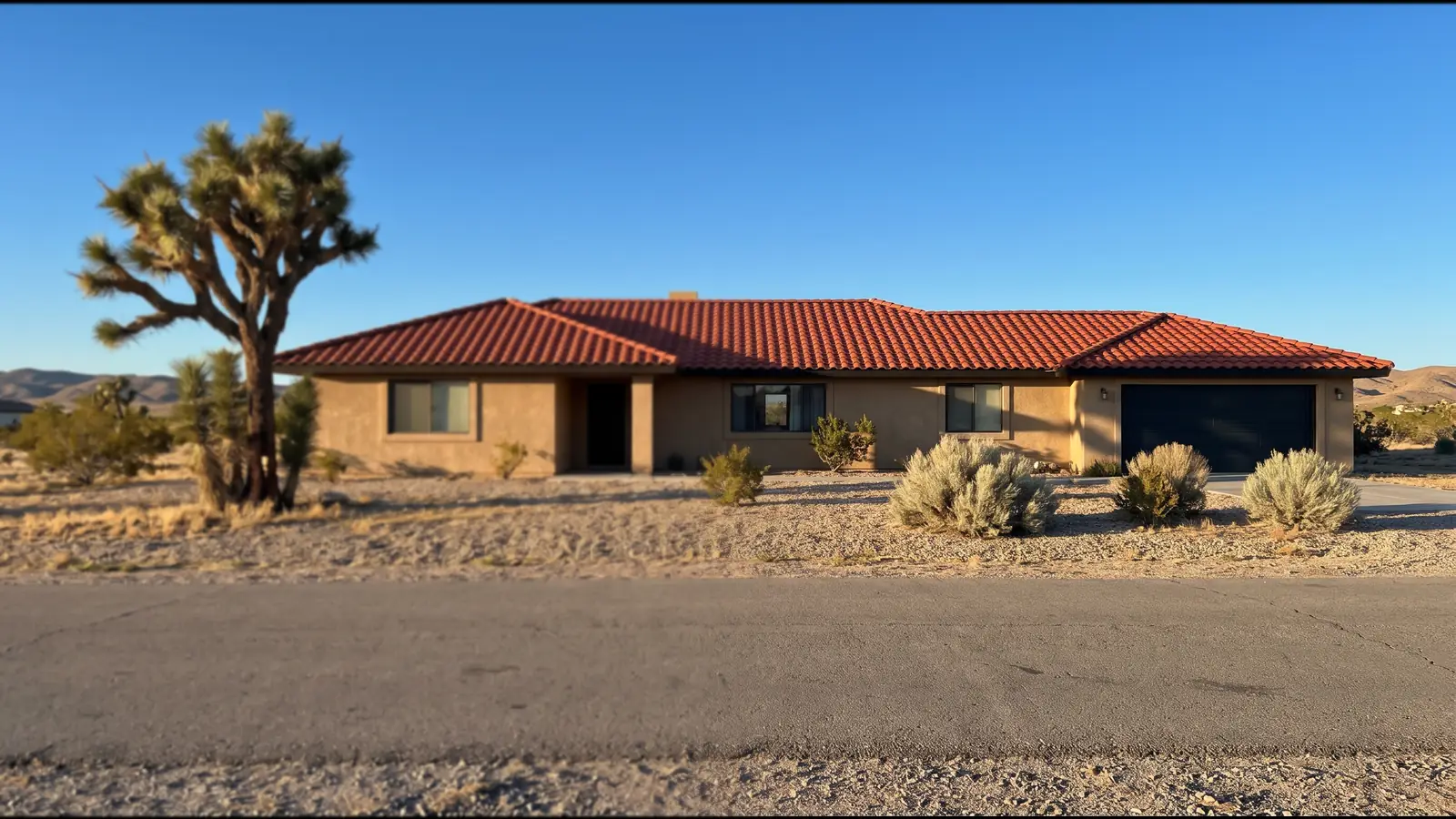
About 69% of Hesperia's homes were built before 2000, and the median house dates from 1987. The tile industry alliance's 2026 bulletin covers profiles discontinued over the past 20 to 30 years, and it lists whole manufacturers that no longer make tile in North America. So an older roof here may well carry one of those tiles. Here is how a roofer gets a match.
Identifying the Profile and Maker
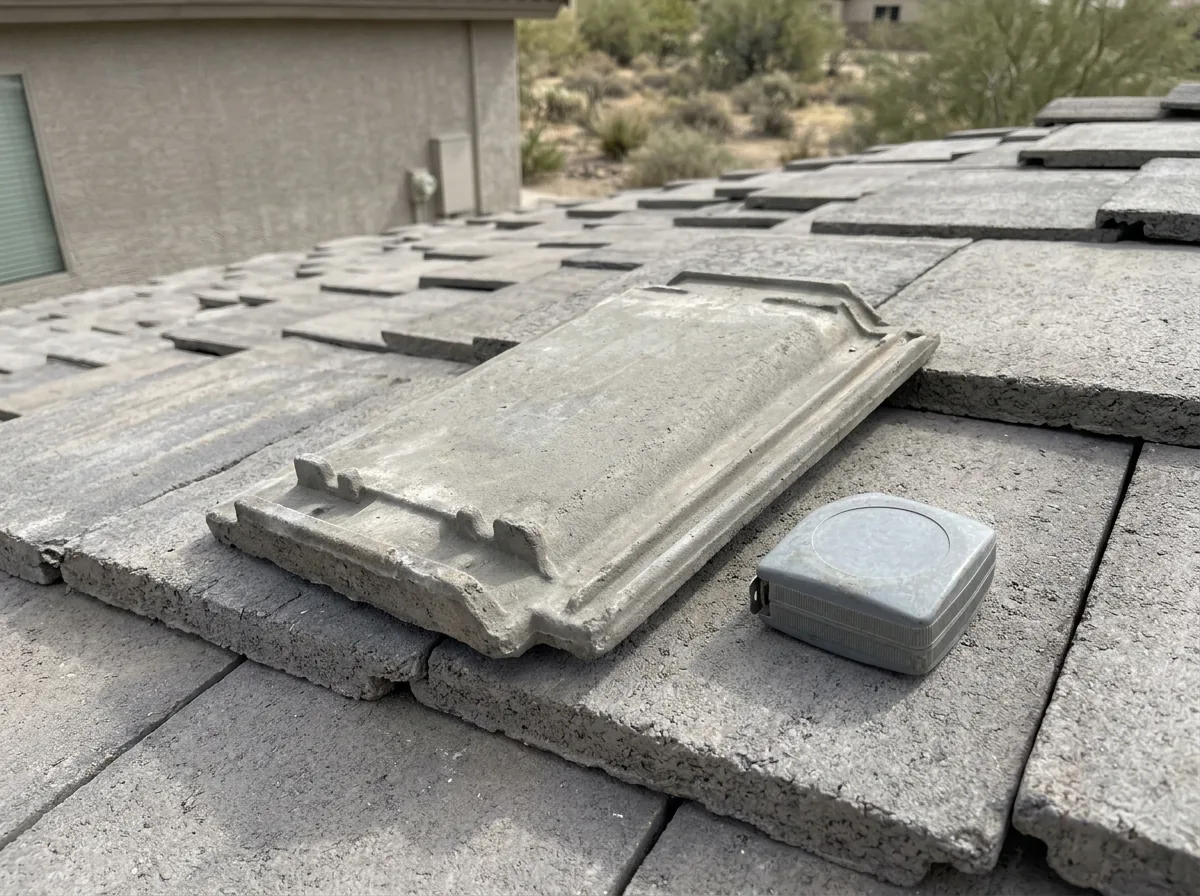
Matching starts with knowing what's up there. A roofer turns over a loose tile to check for a maker's stamp, then measures it and notes the profile: flat, S, or two-piece barrel. That gets checked against the alliance's list. For some old lines, including several long-gone concrete tile makers, the bulletin says only salvage or replication options exist. Knowing that up front tells you whether a hunt for new stock is worth it.
Salvage and Boneyard Tile
Salvage tile is sound tile pulled off other roofs and kept for resale or repairs. The industry bulletin's own flowchart starts here: if the damage is minor and matching tile can be found from salvage or surplus, repair with it. Salvage tile has weathered like yours, so it can blend better than new tile. Ask how many spares the roofer can get, since a few extra pieces for later breakage are worth having.
Pulling Tile From a Hidden Slope
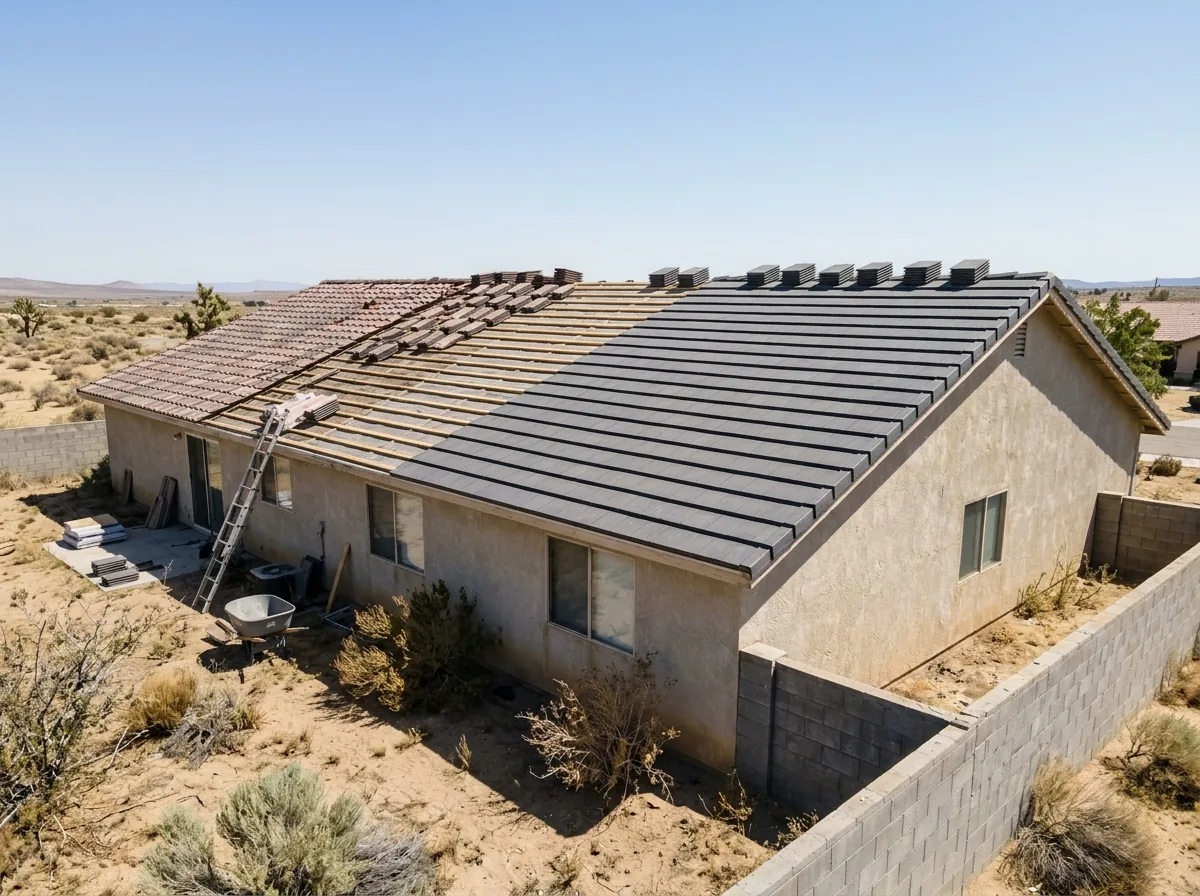
When no salvage exists, the bulletin suggests a swap. Original tiles come off a less visible slope, such as the back of the house. They go onto the front, where the damage is, and the back slope gets the closest new tile available. The street side then shows only original tile.
Color-Matching New Tile to Faded Tile
New tile in the right shape will still look different at first. The industry manual says tile lightens and loses some surface texture as it weathers, and that new batches vary slightly in shade. A roofer can blend new pieces among old ones on a back slope rather than grouping them. Some homeowners also have surplus tile from the original job; HomeGuide recommends keeping an extra square on hand for exactly this.
When to Re-Tile a Whole Slope Instead
The bulletin's flowchart ends at re-roofing when a match can't be sourced or the roof system itself is compromised. HomeGuide puts the tipping point at 20% to 30% of the tiles needing repair. Re-tiling one slope is priced per square foot like a re-roof, so a single slope can make sense when the rest of the roof's tile is sound. If that work passes half the roof, Title 24 cool-roof rules apply (see concrete tile roofing). For a full re-roof, see tile roof replacement.
Why Hesperia homeowners call Hesperia Tile Roofing
- Asking for a quote is free and you're under no obligation
- Each request goes to a single tile roofer, not sold to a list
- Ask that tear-off, felt, deck allowance and permit sit on one written price
- You never pay for the referral
What Tile Matching Costs and How Long It Takes
Cost guides don't publish a separate price for matching, so the bill is built from ordinary repair items:
| Item | Typical cost |
|---|---|
| Each replaced tile | $60 to $125 |
| Minimum visit | $300 to $500 |
| Concrete tile installed on a re-tiled slope | $7 to $19 a square foot |
| Clay tile installed | $8 to $25 a square foot |
Time is the real variable. Salvage stock can take a while to find. If rain is due before the right tile turns up, ask for the gap to be covered with a temporary tile or flashing so the felt isn't left open.
Before You Approve a Matching Plan
- Ask the roofer to name the tile they believe you have and where the replacements are coming from.
- Ask whether the replacements interlock with your tile, or only look like it.
- Ask which slope, if any, will be harvested, and what goes back there.
- Get the count of spare tiles you'll keep after the job.