
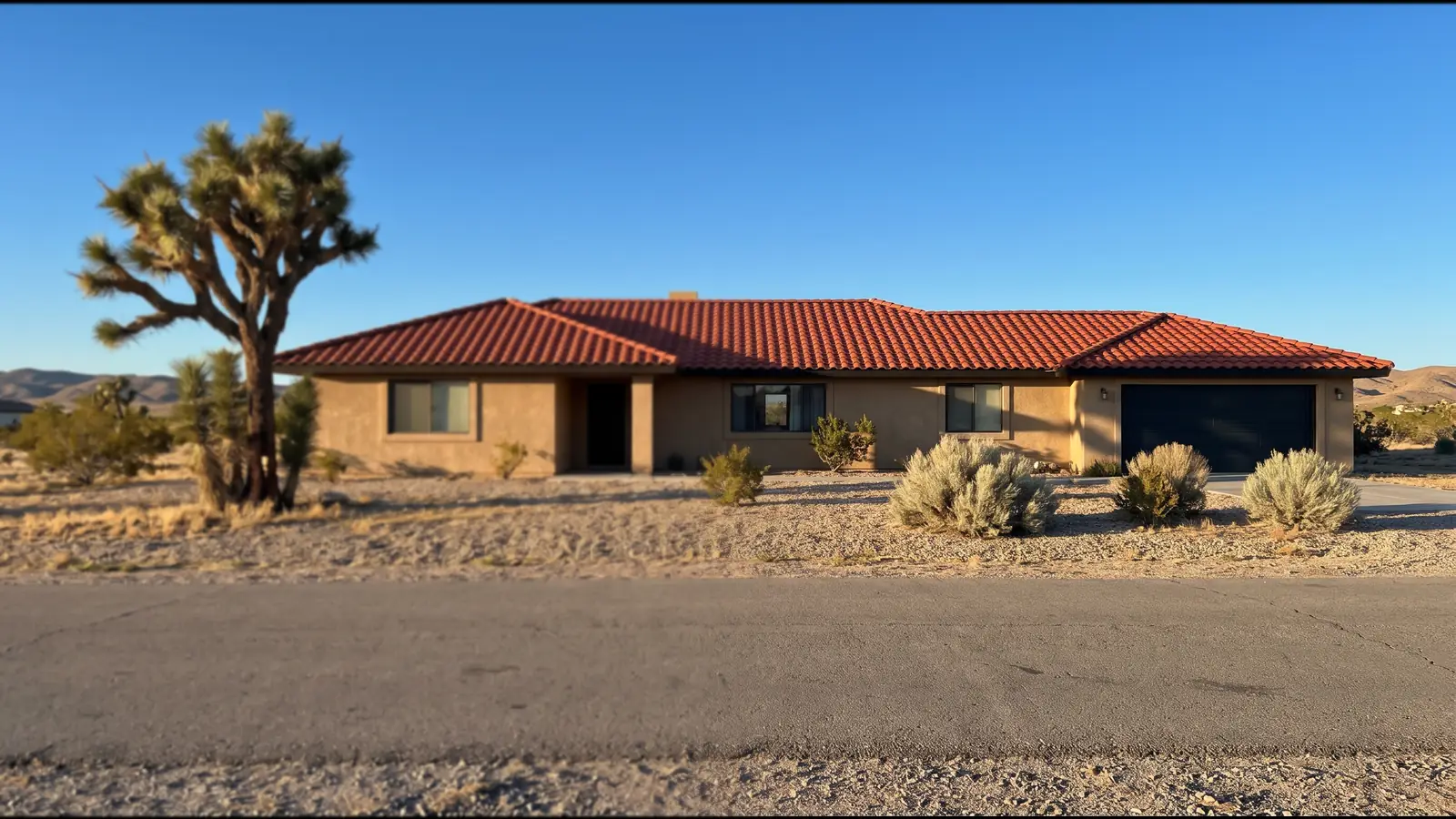
Clay Tile Roofing Types in Hesperia
Clay tile is shaped from clay or shale and fired in a kiln. How completely it's fired, and whether it's glazed, decides how it handles water, sun and frost.
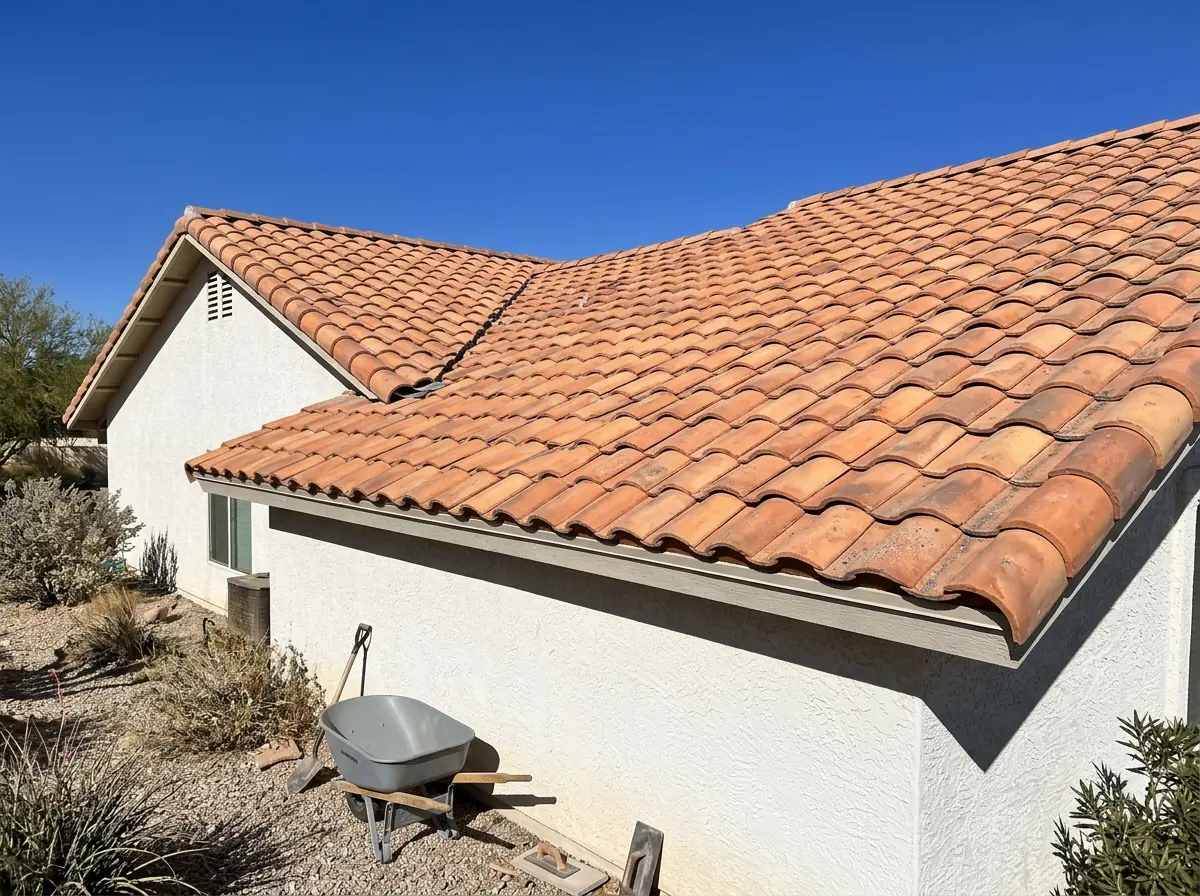
Kiln-Fired Terracotta
Firing turns the clay's minerals into one dense body, a process called vitrification. Fully vitrified tile absorbs very little water. Under-fired tile stays porous, and that's the tile that cracks in a freeze. Plain terracotta is the unglazed, reddish-orange version. HomeGuide prices it at $9 to $26 a square foot installed and says the color doesn't fade, because it's baked in rather than coated on.
Glazed Clay
Glazed tile has a fired coating on its top face. The glaze cuts moisture absorption and widens the color range past the usual reds and browns. It also costs the most of the clay options, with unglazed tile at the low end. One catch: the glaze on most terracotta-type tile won't hold paint, so a color change later isn't really an option.
Freeze-Thaw (Grade 1) Clay for High Desert Winters
ASTM C1167 sorts clay tile into three grades by frost resistance:
- Grade 1: severe frost action
- Grade 2: moderate frost action
- Grade 3: negligible frost resistance
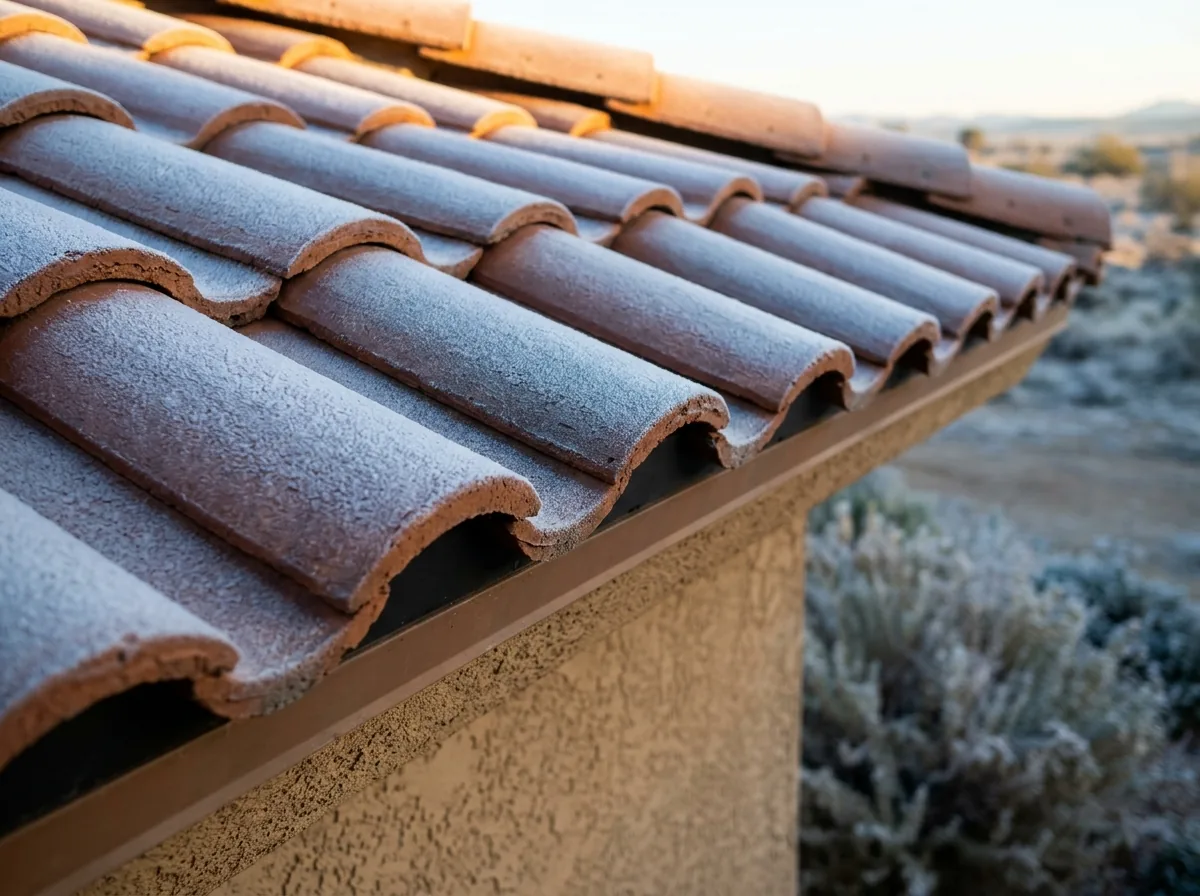
NOAA's Hesperia station averages about 10 nights at or below freezing in December alone, and about 32 across the year. HomeGuide says Grades 2 and 3 aren't recommended where freeze-thaw cycles happen. Porous tile that takes on water and then freezes tends to flake and spall on the surface. Inspectors note there's no way to tell a tile's grade by looking at it, so ask for the spec sheet that names Grade 1 before the order goes in.
Clay Tile Repair and Breakage
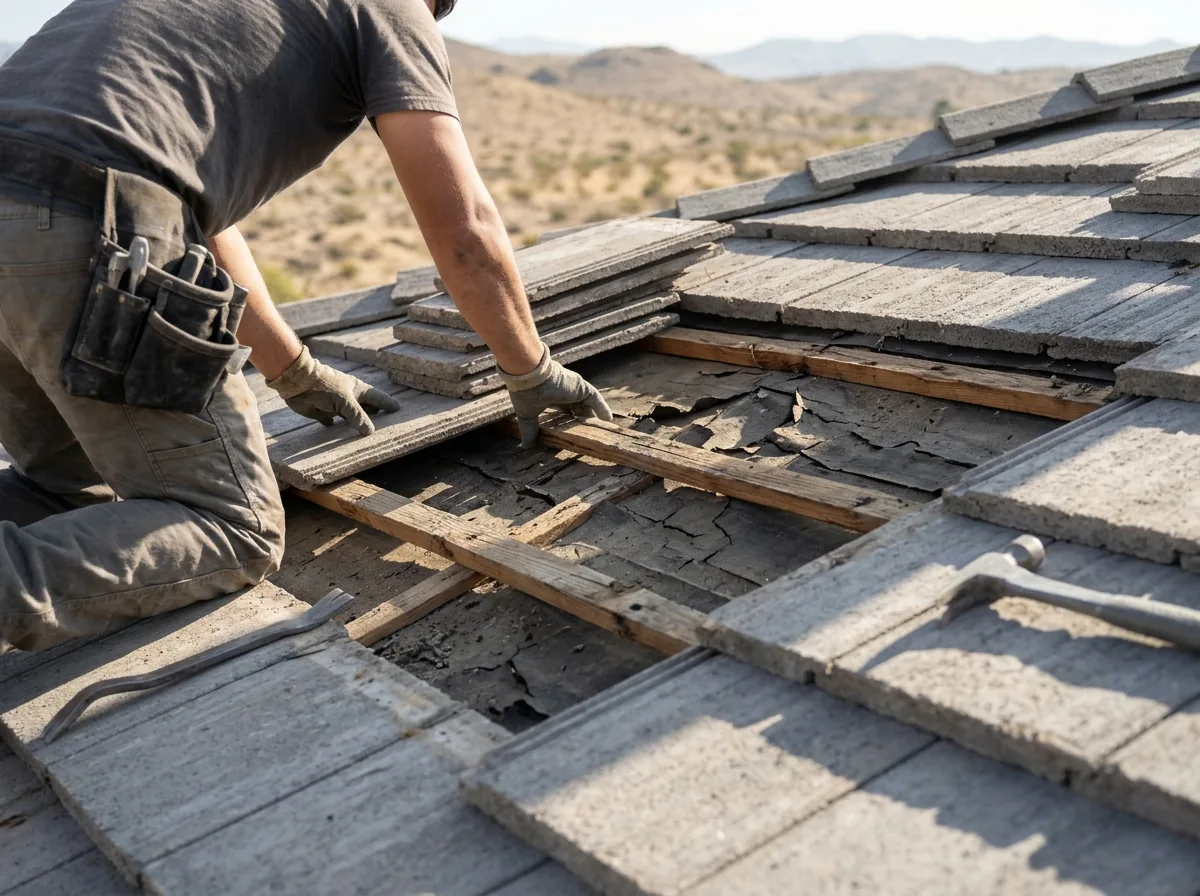
Clay breaks underfoot more easily than most homeowners expect. Inspectors are told to view a clay roof from a ladder or the ground rather than walk it, and footfall damage collects in valleys and around anything installed after the tile, such as a satellite dish. Broken or missing tiles run $60 to $125 each in HomeGuide's figures. Fasteners matter on a roof meant to last a century. Ask for stainless, copper, aluminum or hot-dipped galvanized nails, not electroplated ones that rust out long before the tile does. Older or imported profiles can be hard to match; see discontinued roof tile matching.
Clay Tile Replacement and Reuse
Clay tile rarely wears out; the underlayment under it does. When a clay roof leaks with age, the usual job is to take the tile off, replace the underlayment and battens, and lay the same tile back. The California Residential Code allows sound clay tile to be reinstalled but not cracked or broken pieces, so expect some loss as tiles come off. Underlayment life and the relay process are covered on the tile roof underlayment replacement page.
Why Hesperia homeowners call Hesperia Tile Roofing
- Asking for a quote is free and you're under no obligation
- Each request goes to a single tile roofer, not sold to a list
- Ask that tear-off, felt, deck allowance and permit sit on one written price
- You never pay for the referral
Clay vs Concrete Tile for a Hesperia Home
| Clay | Concrete | |
|---|---|---|
| Installed cost | $8 to $25 per sq ft | $7 to $19 per sq ft |
| Typical life of the tile | 50 to 100+ years | 30 to 50+ years |
| Color | Fired in; terracotta doesn't fade | Can fade or chalk over time |
| Frost rating to ask for | ASTM C1167 Grade 1 | ASTM C1492 Grade 1 |
Clay costs more up front and lasts longer. HomeGuide's concrete guide says concrete fades faster than clay, and the concrete tile roofing page explains why. If you already have clay, relaying it on new underlayment at $0.75 to $4 a square foot costs far less than a new roof of either material. A clay roof that is decades old may still have tile with most of its service life ahead of it.
What to Ask Before a Clay Tile Job
Ask the roofer to confirm the tile's ASTM grade in writing, to state the breakage allowance for a relay, and to say where replacement pieces will come from. For a new clay roof on a house that never carried tile, the framing check comes first; the shingle-to-tile conversion page covers it.