
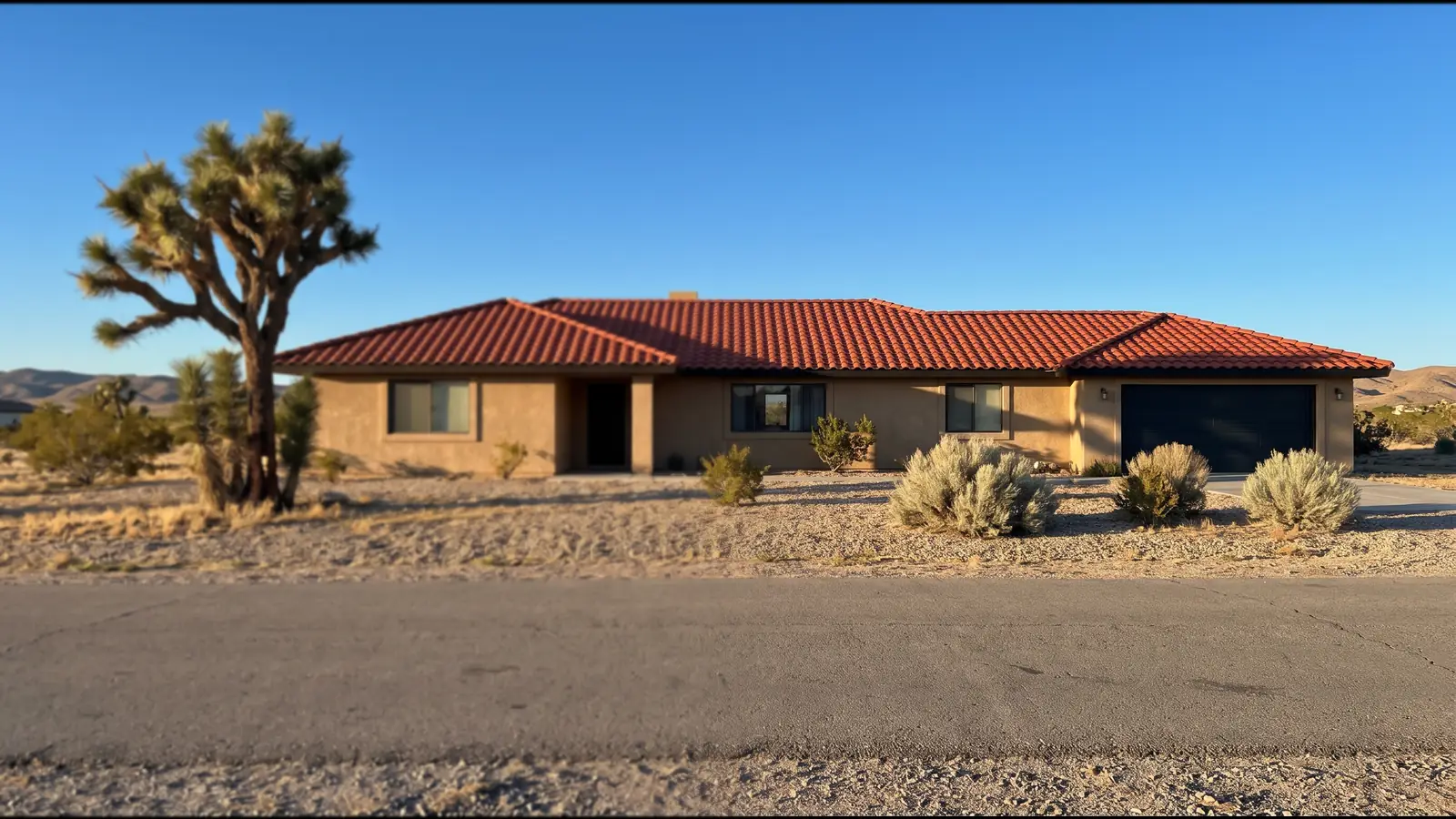
Flat Tile Roofing Types in Hesperia
Inspectors call flat tile low-profile: flat or close to it, with no curve for water to run in. The types differ in material, surface and how the edges join.
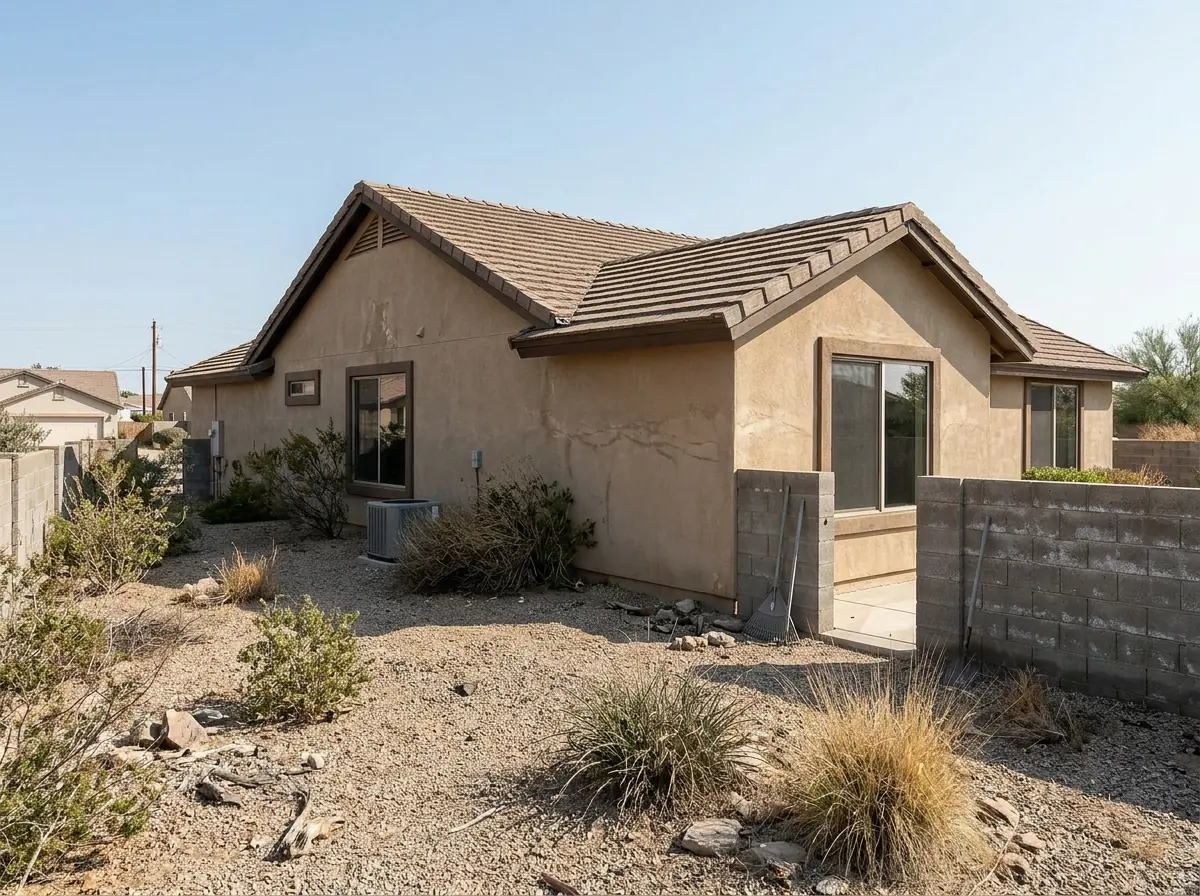
Flat Concrete Shake-Look Tile
This is concrete cast with a rough, grooved face that reads as wood shake from the street. Standard weight is about 970 lb per 100 sq ft, and lightweight versions of the same profile run about 720. It can be laid in a staggered pattern, where the exposure varies from the second course up, for a more hand-cut look. One manufacturer says to settle that before ordering, because the layout and waste allowance change.
Smooth Flat Concrete Tile
Smooth flat tile has clean edges and a plain face, and it suits a modern or ranch roofline. It weighs about the same as the shake-look tile: about 970 lb per 100 sq ft, or about 720 lightweight. The JLC field guide says flat concrete tile should go on preservative-treated battens. Ask whether the color is through the body or a surface coat; the concrete tile roofing page explains how each one ages.
Flat Clay Tile
HomeGuide prices the tile alone at $2 to $4.50 a square foot and installed flat clay at $7 to $21.50. Flat clay tiles either interlock or simply butt against their neighbors in the same course. With the butting kind, the underlayment beneath carries more of the load of keeping water out. Under the ASTM clay standard, flat tile is Type III. Like any clay for a Hesperia roof, ask for Grade 1 frost resistance; clay tile roofing explains why.
Interlocking Flat Profiles and Side Laps
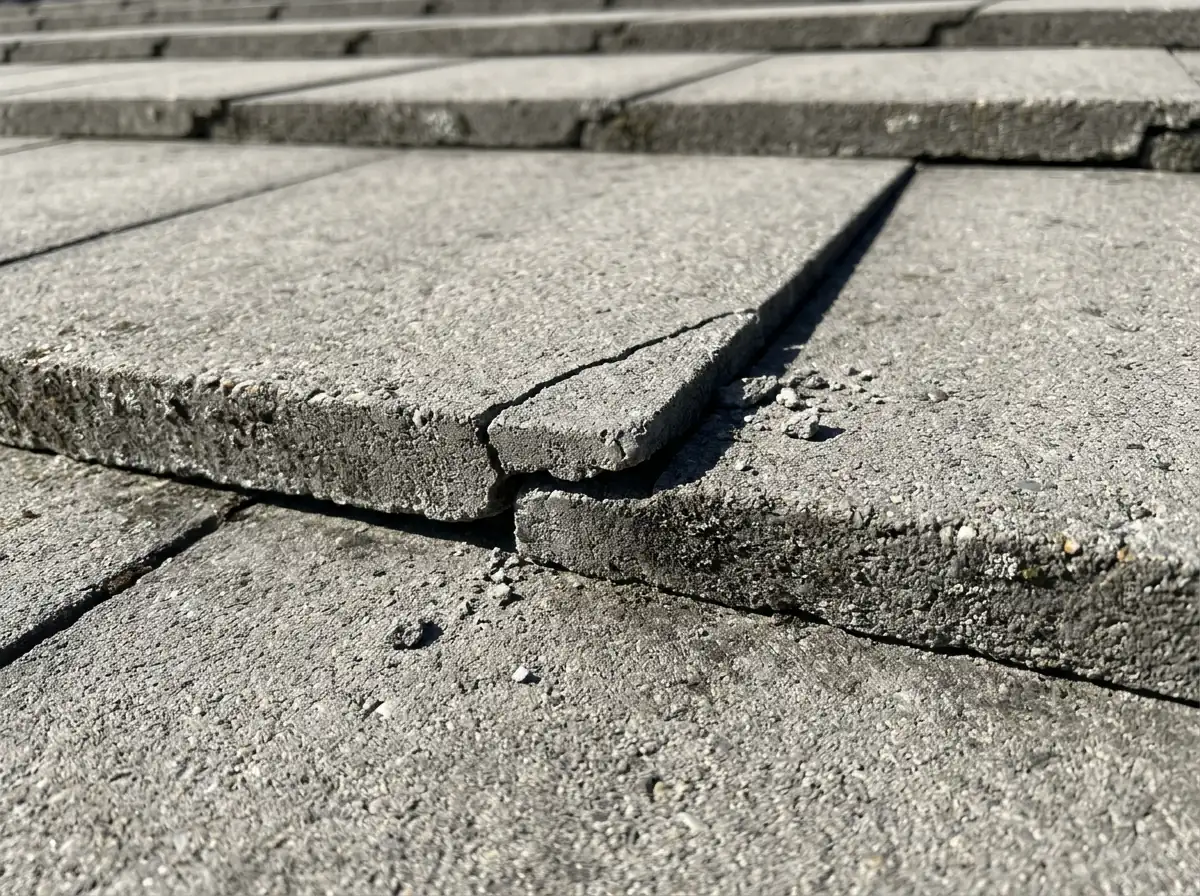
Interlocking flat tile has molded edges that fit into the tile beside it. To make that joint, the edges are cast thinner than the rest of the tile. InterNACHI says that's where flat concrete tile breaks first, which is why so many flat roofs show cracked corners along one side. Two causes: foot traffic, and tiles laid tight on a cool morning that expand in the afternoon sun until the lap cracks. The interlock only resists water. The underlayment and flashings underneath do the real waterproofing. Anyone who has to walk the roof should follow the footing rule on the concrete tile page.
Low-Profile Flat Tile on Lower Slopes
Flat tile goes on lower-pitched roofs too, but tile still has a floor. The California Residential Code sets 2½ in 12 as the minimum, with double underlayment between 2½ and 4 in 12. The tile roof installation page covers that rule. Below the minimum, tile can only go over a separate low-slope waterproof roof, where it's mostly decorative. A truly flat roof can't take tile at all.
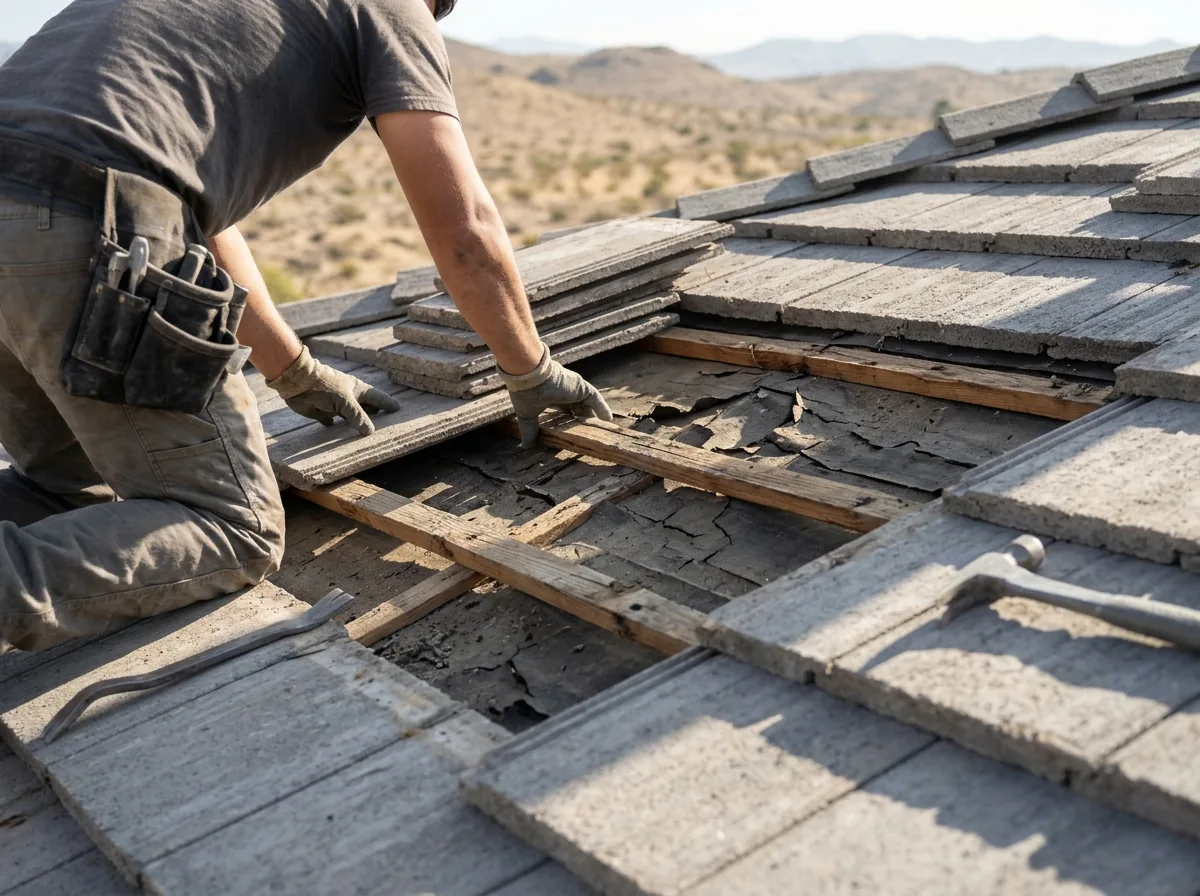
Why Hesperia homeowners call Hesperia Tile Roofing
- Asking for a quote is free and you're under no obligation
- Each request goes to a single tile roofer, not sold to a list
- Ask that tear-off, felt, deck allowance and permit sit on one written price
- You never pay for the referral
Flat Tile vs Curved Tile on a Hesperia Roof
Cracking
HomeGuide rates flat tile as more crack-resistant than barrel tile overall, though the interlocking edge is its weak point.Install time
non-interlocking flat tiles take longer to lay than interlocking ones, which shows up in labor.Eaves
inspectors expect bird stops under medium- and high-profile tile; flat tile isn't on that list, so the eave detail is simpler.Weight
flat concrete at about 970 lb per 100 sq ft is in the same range as concrete S-tile, so switching profiles changes the load very little.
If you're re-roofing from curved tile to flat, the bigger decisions are the tile's color rating under Title 24 and the underlayment. If you're keeping a flat roof, the usual job is cracked-corner repair; see cracked roof tile repair. If the felt under it is failing, a lift and relay puts the sound tile back on new underlayment.